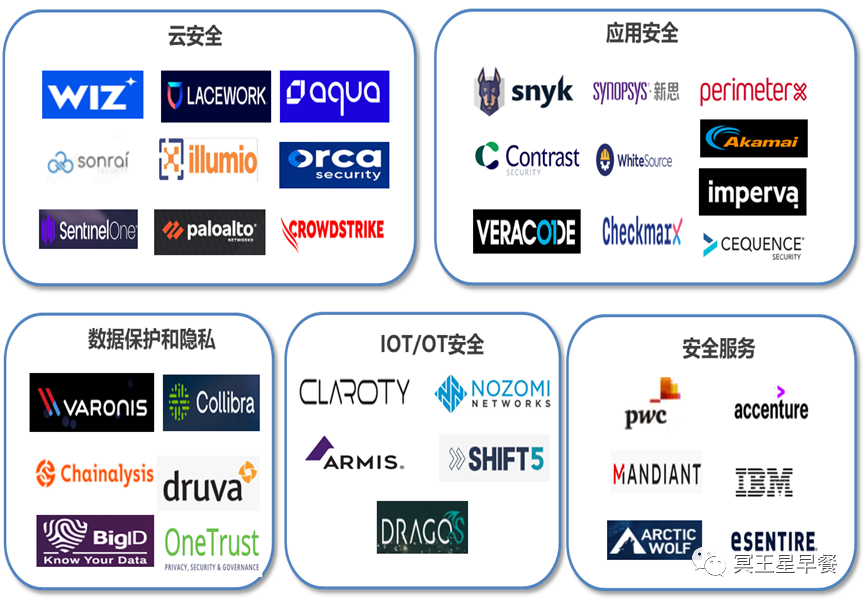
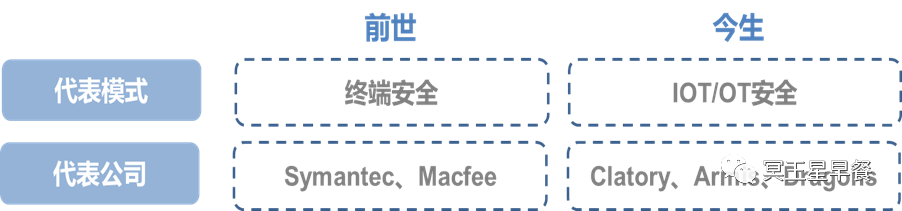
以上列举了一些IOT/OT设备的形态,但实际上随着物联网的创新,海量的设备接入网络,这些非IT的设备也可能成为被攻击的对象。这些异构的设备五花八门,可能盘点和追踪都存在挑战,而且这些设备可能使用的不是标准的诸如windows、MacOS或者Linux的操作系统,或者即使使用,也是很陈旧的版本,这样传统的Agent或者终端安全产品实际无法保护这些设备。
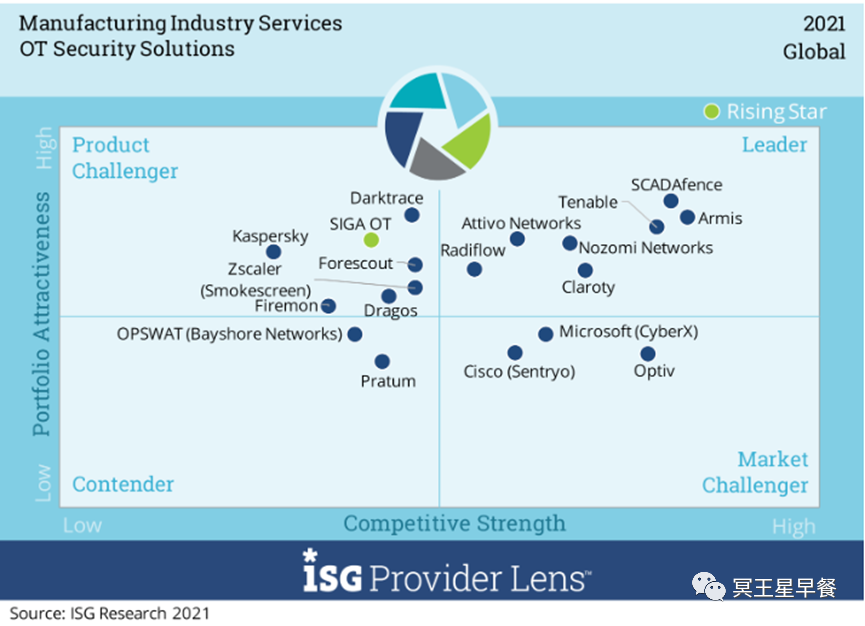
这里有两个大的趋势驱动了制造型企业的数字化转型,从而驱动了IOT/OT安全的发展:一是无论是终端用户是B还是C,越来越多的生产型、制造型企业希望跳过中间商、服务商、代理商等与终端用户进行交互,那么就会投入大量的OT系统;二是制造商希望从产品销售往服务转型,即Product as a service,疫情的背景也助推了这一趋势,制造商需要大量投入数字化、安全保障连接、获取对于客户的理解和持续的产品监控。这里和国内的工控安全的核心驱动因素有所差异。
Software is life, Credit Suisse
[ii]The Rise ofextended detection and response, 451 Research
[iii]Comprehensive Guideto Security Operations, Arctic Wolf
[iv]Mandiant and theFuture of Cybersecurity Professional Services, Security of Strategy
Navigating the Security Landscape, Optiv
A security blanket for the new era, RBC Capital Market
The Dark also rises by JMP Securities
CyberSecurity Industry Report 2021, Crispidea
Cloud Security Fundamentals, Lacework
2022-cybersecurity-startup-trends by Bessmer Venture Partners



 发表于 2022-9-23 14:00:53